Top Trends in Lift Equipment Marketplace Today
- Karen DiGregorio
- May 20
- 4 min read

The lift equipment marketplace is experiencing a significant transformation, driven by technological advancements, changing consumer preferences, and a growing emphasis on safety and sustainability. As industries evolve, so do the tools and equipment that support them. This blog post will explore the top trends shaping the lift equipment marketplace today, providing insights into what businesses and consumers can expect in the near future.

The Rise of Electric Lift Equipment
One of the most notable trends in the lift equipment marketplace is the increasing adoption of electric lift equipment. As businesses strive to reduce their carbon footprint and comply with stricter environmental regulations, electric lifts are becoming the preferred choice.
Benefits of Electric Lift Equipment
Reduced Emissions: Electric lifts produce zero emissions, making them an environmentally friendly option.
Lower Operating Costs: While the initial investment may be higher, electric lifts often result in lower operating costs due to reduced energy consumption and maintenance needs.
Quieter Operation: Electric lifts operate more quietly than their diesel counterparts, making them ideal for indoor use, especially in settings like warehouses and retail spaces.
Examples of Electric Lift Equipment
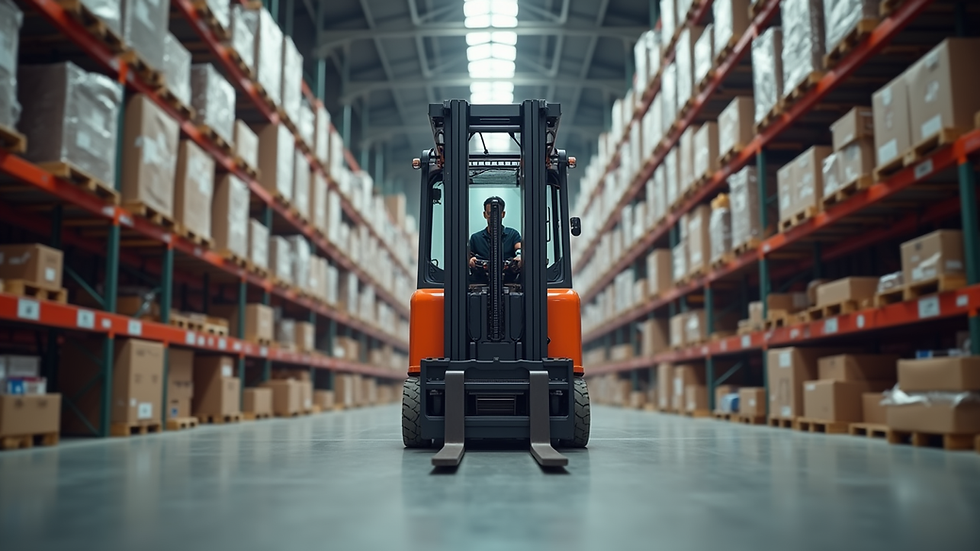
Several manufacturers are leading the charge in electric lift technology. For instance, companies like Toyota and Hyster-Yale have introduced electric forklifts that offer advanced features such as regenerative braking and smart technology integration.
Smart Technology Integration
The integration of smart technology into lift equipment is another trend that is reshaping the marketplace. With the rise of the Internet of Things (IoT), lift equipment is becoming more connected, allowing for enhanced monitoring and management.
Features of Smart Lift Equipment
Real-Time Monitoring: Smart lifts can provide real-time data on performance, usage, and maintenance needs, helping businesses optimize their operations.
Predictive Maintenance: By analyzing data, smart lift systems can predict when maintenance is needed, reducing downtime and extending the lifespan of the equipment.
Remote Control and Management: Operators can manage lift equipment remotely, improving efficiency and safety.
Case Study: Smart Forklifts in Action
A logistics company recently implemented smart forklifts equipped with IoT technology. They reported a 20% increase in operational efficiency and a significant reduction in maintenance costs due to predictive analytics.
Emphasis on Safety Features
Safety remains a top priority in the lift equipment marketplace. As industries face increasing scrutiny regarding workplace safety, manufacturers are focusing on developing equipment with enhanced safety features.
Key Safety Features to Look For
Automatic Shutoff Systems: These systems can prevent accidents by automatically shutting down the lift if it detects unsafe conditions.
Enhanced Visibility: Many modern lifts come equipped with improved lighting and cameras to enhance operator visibility and reduce blind spots.
Load Monitoring Systems: These systems ensure that lifts do not exceed their weight capacity, preventing accidents caused by overloading.
Industry Standards and Regulations
Regulatory bodies, such as OSHA in the United States, are continuously updating safety standards for lift equipment. Businesses must stay informed about these regulations to ensure compliance and protect their workforce.
Sustainability and Eco-Friendly Practices
Sustainability is no longer just a buzzword; it has become a crucial aspect of business operations. The lift equipment marketplace is responding to this demand by focusing on eco-friendly practices.
Sustainable Manufacturing Processes
Manufacturers are adopting sustainable practices in their production processes, such as using recycled materials and reducing waste. This not only benefits the environment but also appeals to consumers who prioritize sustainability.
Energy-Efficient Designs
Many lift equipment models are now designed with energy efficiency in mind. Features such as LED lighting, energy-efficient motors, and lightweight materials contribute to lower energy consumption.
Customization and Versatility
As businesses face unique challenges, the demand for customized lift equipment is on the rise. Manufacturers are responding by offering versatile solutions that can be tailored to specific needs.
Benefits of Customization
Enhanced Functionality: Custom lifts can be designed to meet specific operational requirements, improving efficiency.
Adaptability: Businesses can modify lift equipment as their needs change, ensuring long-term usability.
Cost-Effectiveness: Investing in customized solutions can lead to cost savings by reducing the need for multiple pieces of equipment.
Examples of Custom Lift Solutions
Some companies specialize in creating custom lift solutions for niche markets. For instance, a manufacturer may design a lift specifically for the construction industry, incorporating features that cater to the unique challenges of that sector.
The Impact of E-Commerce on Lift Equipment Demand
The rapid growth of e-commerce has significantly impacted the lift equipment marketplace. As online shopping continues to rise, so does the need for efficient material handling solutions.
Increased Demand for Warehouse Equipment
With more businesses relying on e-commerce, there is a growing demand for warehouse lift equipment. This includes forklifts, pallet jacks, and automated guided vehicles (AGVs) that streamline operations and improve order fulfillment.
Automation in Warehousing
Automation is becoming a key trend in the warehousing sector. Many companies are investing in automated lift equipment to enhance efficiency and reduce labor costs. For example, AGVs can transport goods within a warehouse without human intervention, allowing for faster and more accurate order processing.
Conclusion
The lift equipment marketplace is evolving rapidly, driven by technological advancements, safety concerns, and a growing emphasis on sustainability. As businesses adapt to these changes, they must stay informed about the latest trends and innovations in lift equipment. By embracing electric lifts, smart technology, enhanced safety features, and customization, companies can improve their operations and meet the demands of a changing marketplace.
As you consider your lift equipment needs, think about how these trends can benefit your business. Whether you are looking to reduce your carbon footprint, enhance safety, or improve efficiency, there are solutions available to help you achieve your goals. Stay ahead of the curve and invest in the future of lift equipment today.

Comments